HISTORY OF TA' ĊIĊIVETTA FARM
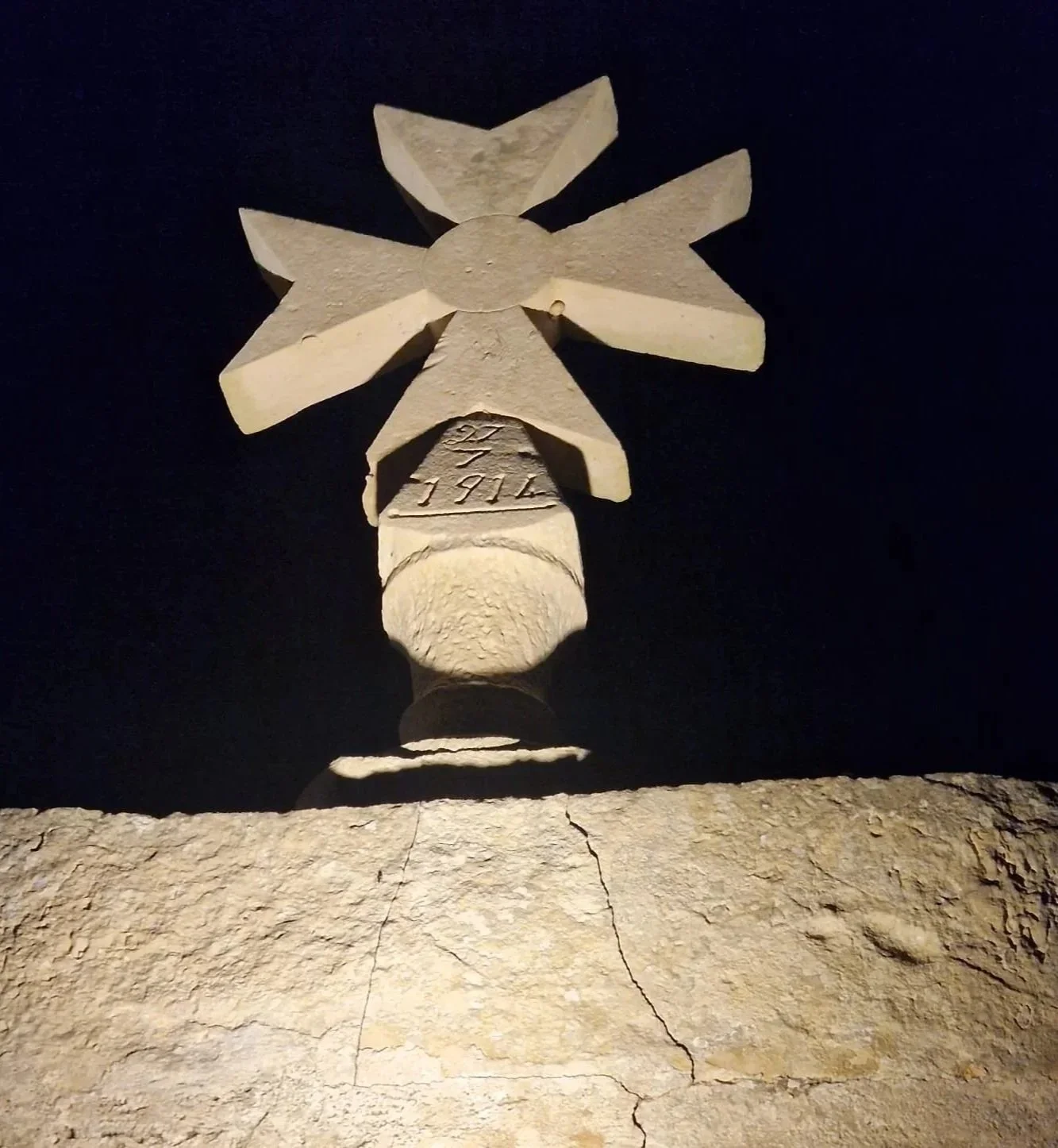
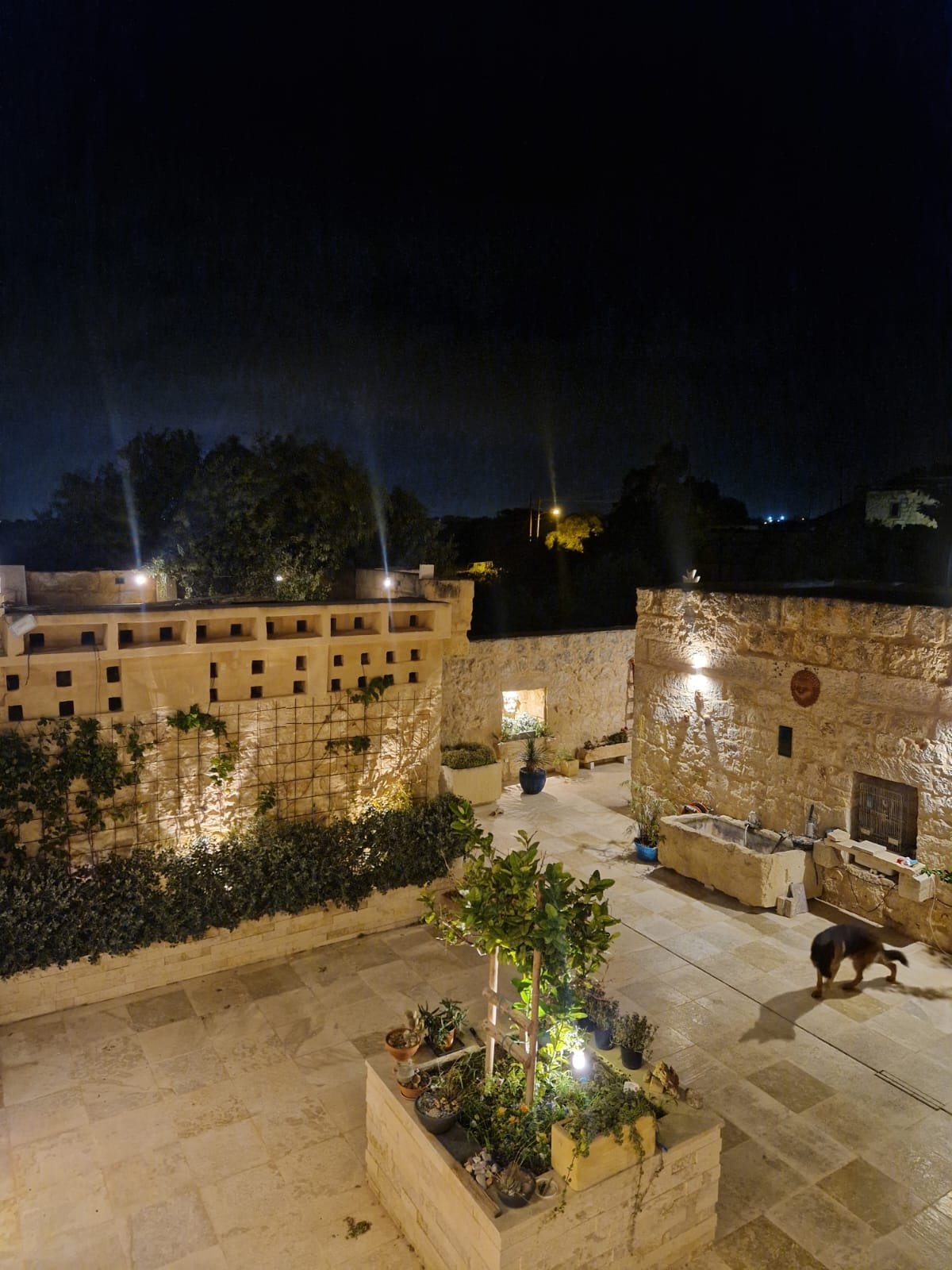
Ta’ Ċiċivetta Farm is a restored 1914 Maltese farmhouse on the outskirts of Rabat, featuring a central courtyard, traditional stonework, and original rural elements. Its historic Virgin Mary niche—built in 1935 and restored in 2021—adds unique character. Once home to the Micallef family, the farmhouse preserves the heritage and charm of Malta’s rural past.
Read more below
History of Ta' Cicivetta Farm
The Farmhouse
Ta' Cicivetta Farm is located on the outskirts of Rabat, Malta, near the rural village of Had-Dingli. Constructed in 1914, this typical Maltese farmhouse features:
Ground floor rooms
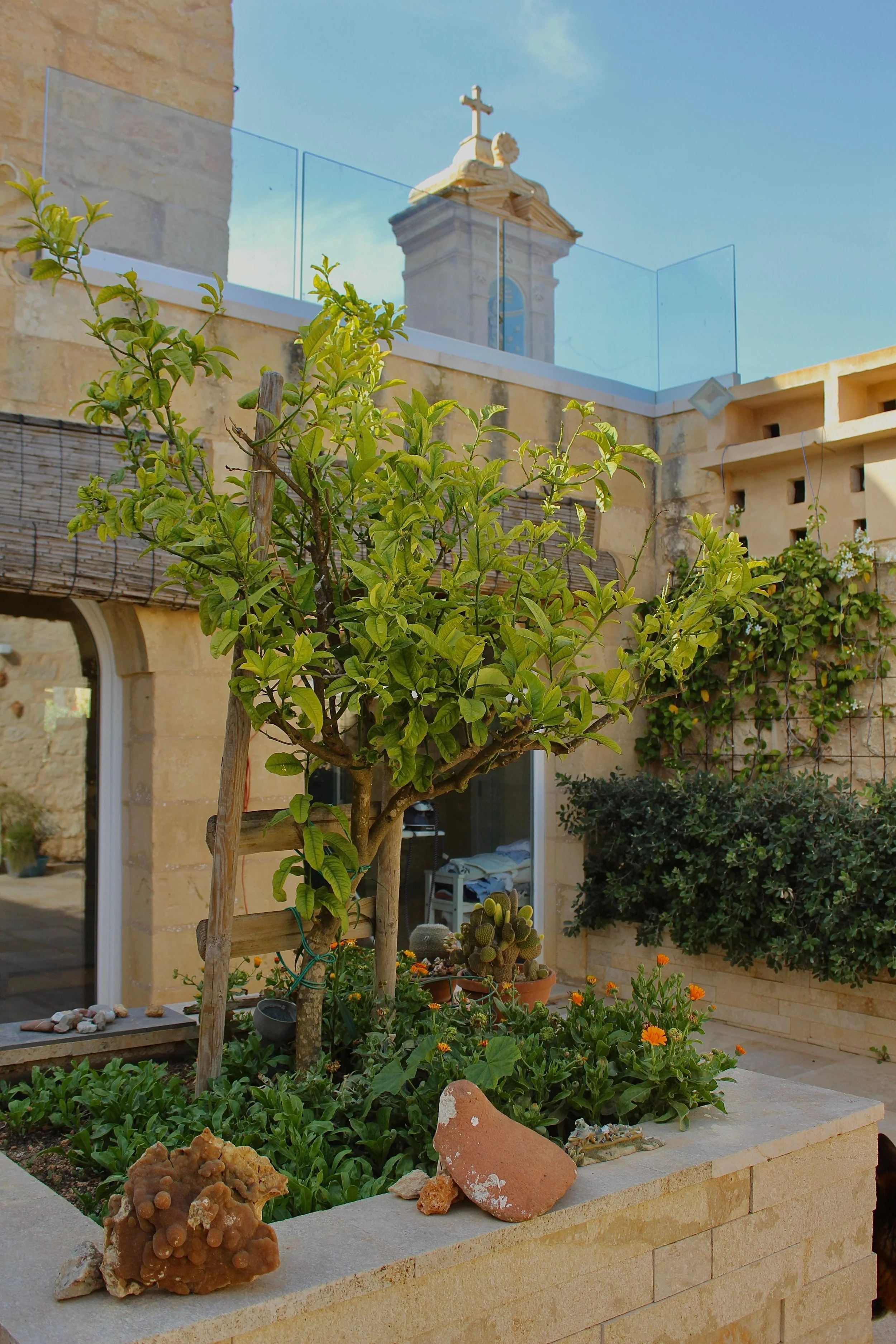
A central courtyard
One first-floor room (L-Ghorfa), accessible via an external staircase made of globigerina limestone slabs
The current owners meticulously restored the farmhouse in 2019, preserving its traditional features:
Mangers (Maxturi): Carved in stone and embedded in the thick walls around the courtyard, used for animal feed
Pigeon coop (Barumbara): Found on one of the courtyard walls
Mutalgha: Newly constructed cantilevered, free-standing steps leading to the Ghorfa's roof
Remissa: A two-leaf wooden door set in a stone arch at the entrance
Marbat: Used to tie horses or donkeys
Qannic: Used for sun-drying cheeslets, tomatoes, figs, or other farm produce
A unique feature of the farmhouse is a stone niche dedicated to the Virgin Mary, completed in January 1935.
The Niche
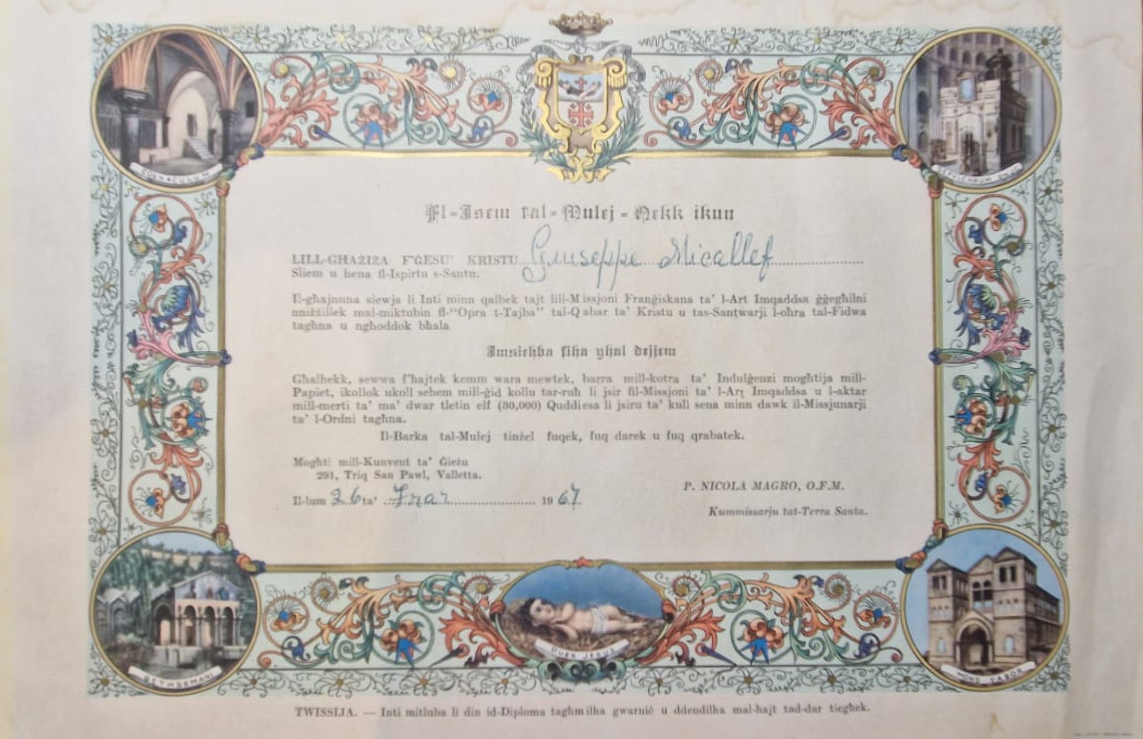
The original owner, Guseppi Micallef, constructed the niche dedicated to the Virgin Mary in January 1935. A year later, he received an indulgence from the Bishop of Malta. After falling into a state of decay, the niche was restored to its former glory in 2021. The missing statue was replaced with a new sculpture depicting Mary Help of Christians, created by renowned Gozitan sculptor Victor Agius.
Notable Residents
Guseppi Micallef Junior, known as "Il-Bully," and his two siblings continued to live in the house after their father. On May 17, 1966, Guseppi Junior was decorated by the Royal Humane Society for his heroic efforts. On July 15, 1965, he attempted to save the lives of two men working on a water pump engine in a well in the Tar-Ruzarju area of Rabat.